
 #1
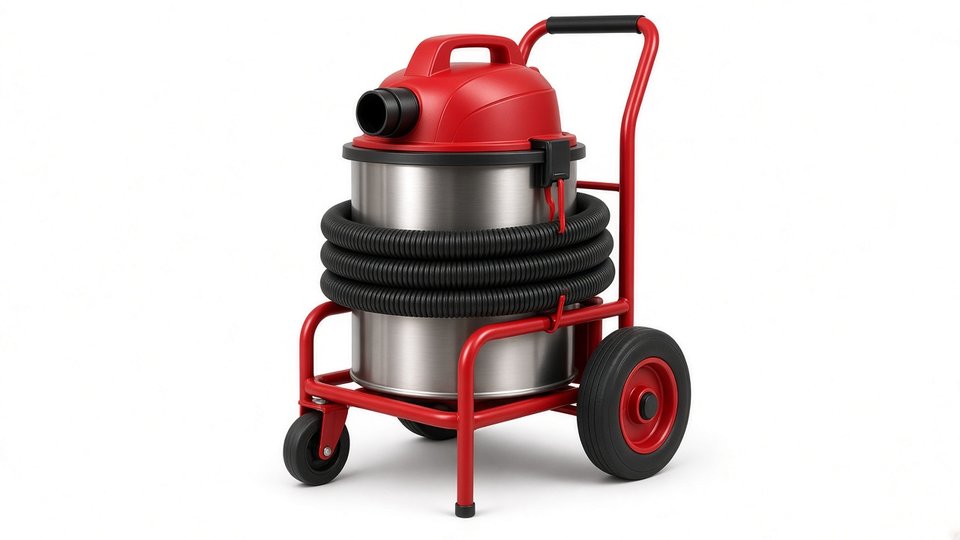
RIDGID 16-Gallon Stainless Steel Wet/Dry Shop Vacuum
A 16-gallon wet/dry shop vacuum with a cart, large wheels, drain, and blower port.
View on AmazonPower out after the storm? These are the generators, power stations, wet/dry vacs and dehumidifiers from our storm store, moved to the top for hurricane recovery. For the repair itself, call or ask for a free quote and a local pro will be in touch.
For standing water on hard floors, wet carpet and the mess after the rain stops.
#1A 16-gallon wet/dry shop vacuum with a cart, large wheels, drain, and blower port.
View on Amazon #2
 #3
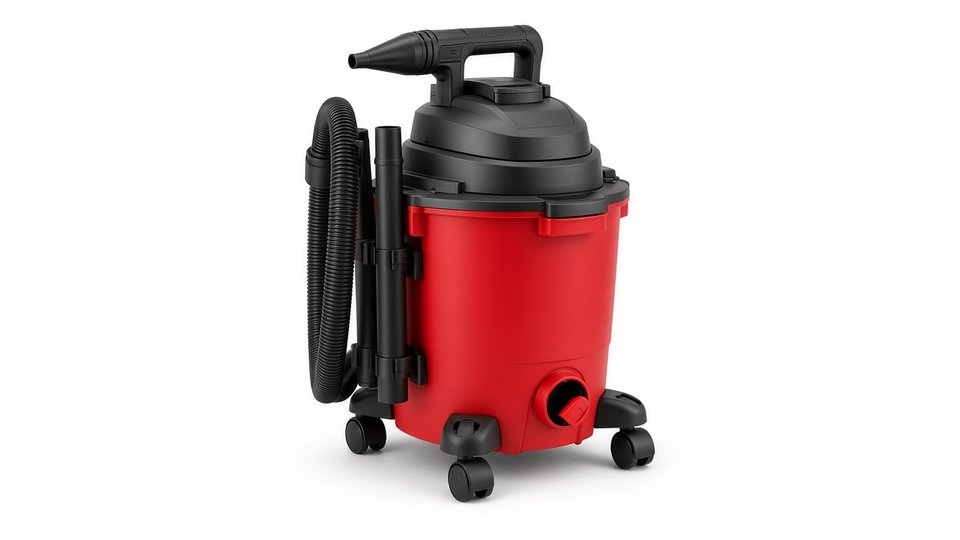
A 16-gallon, 6.5 peak HP wet/dry vacuum with a detachable blower.
View on Amazon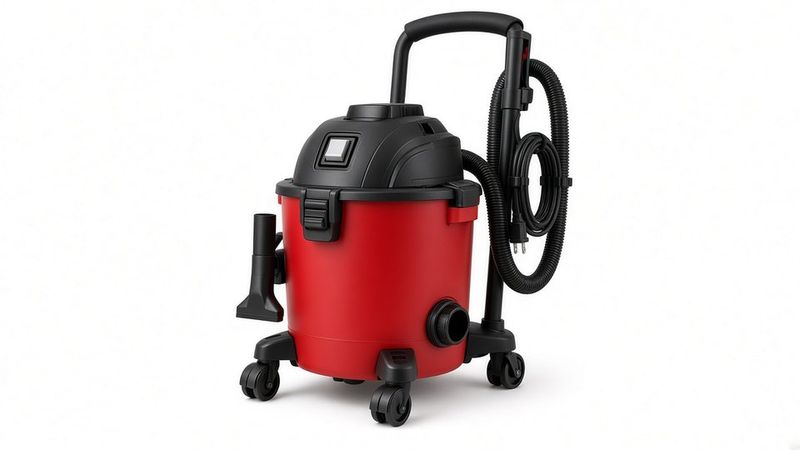 #4
A two-stage industrial vac for water cleanup.
View on AmazonDry the air after water gets in, so walls, floors and cabinets can dry out before mold starts.
 #5
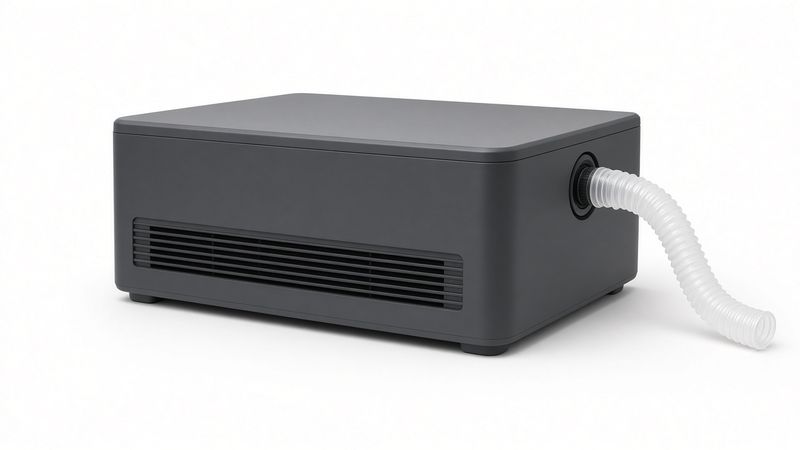
A crawl space and basement dehumidifier with built-in pump.
View on Amazon#6A compact commercial-grade dehumidifier for basements and crawl spaces.
View on Amazon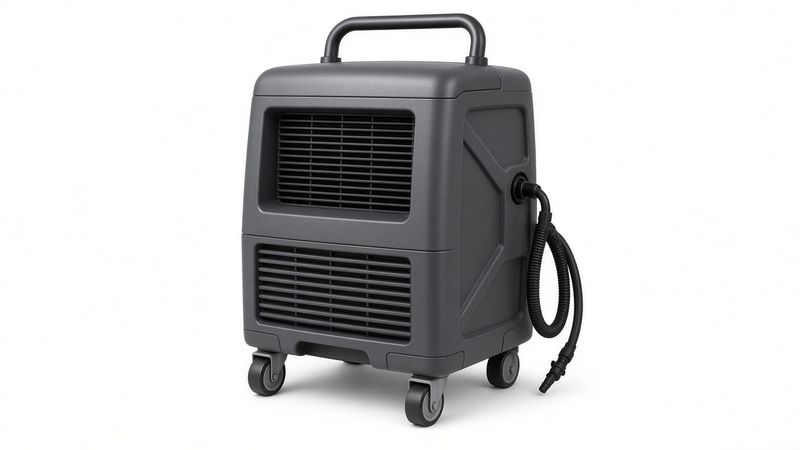 #7
This ALORAIR commercial dehumidifier includes a pump and a 6-year limited warranty.
View on AmazonPortable gas generators for the fridge, a window unit, a sump pump and phones while the power is out. Run them outdoors only.
 #8
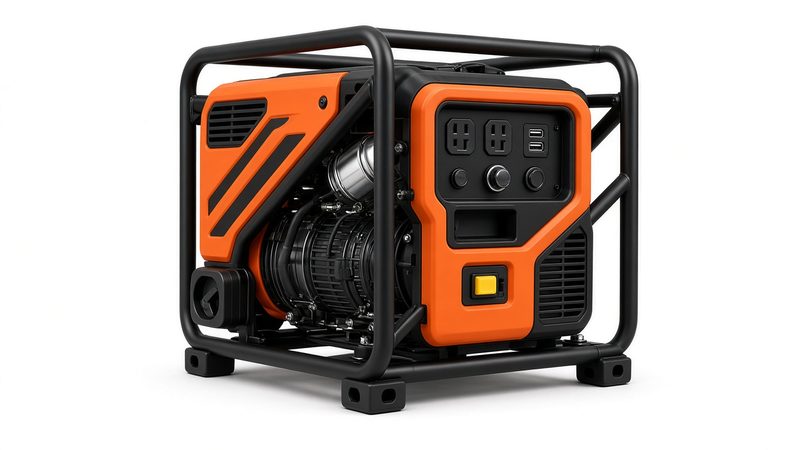
Open-frame inverter generator
A gas inverter generator rated 4,200 peak / 3,300 running watts. AIVOLT lists up to 16 hours of runtime on its 2.6-gallon tank in ECO mode, CO shutdown, a low-oil alert, parallel capability, an RV-ready outlet and USB ports, at 54.3 lb and 68 dB.
Run gas generators outdoors only, far from doors and windows. Carbon monoxide can kill.
View on Amazon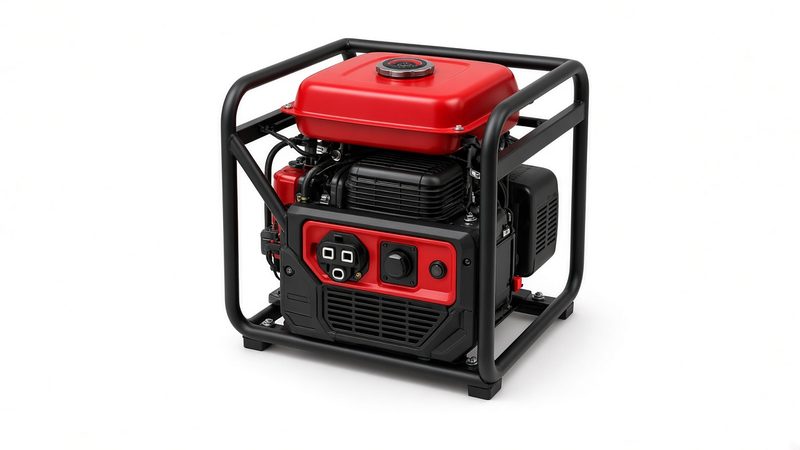 #9
Open-frame inverter generator
A gas inverter generator rated 4,400 peak / 3,400 running watts, with an RV outlet and a 2-gallon tank with fuel gauge. The listing says up to 14 hours at 25% load in ECO mode.
Run gas generators outdoors only, far from doors and windows. Carbon monoxide can kill.
View on Amazon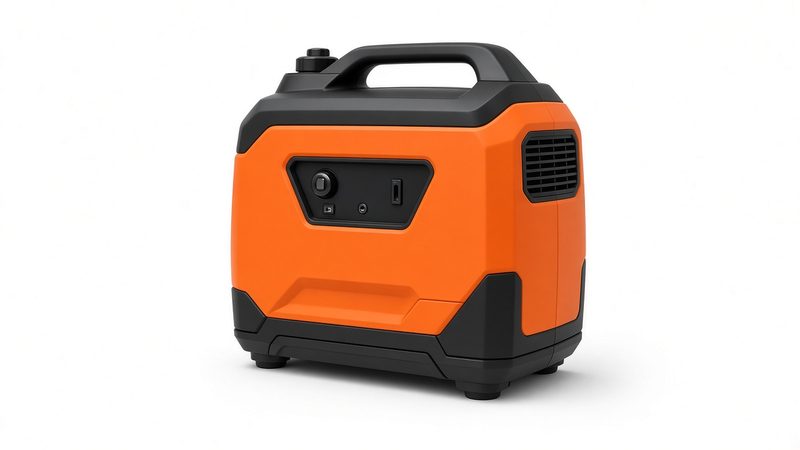 #10
Gas inverter generator
A gas inverter generator rated 2,350 surge / 1,900 running watts, about 39 lb, with a fuel shutoff feature.
Run gas generators outdoors only, far from doors and windows. Carbon monoxide can kill.
View on Amazon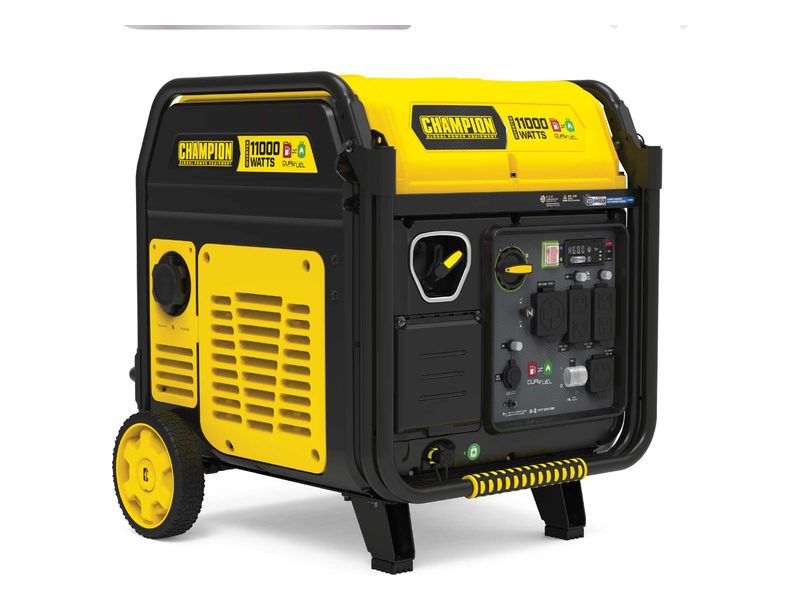 #11
Backup power for storms, with gas or propane operation.
Use a transfer switch installed by a licensed electrician.
View on AmazonBattery power stations run quietly and safely indoors, for phones, lights, a CPAP or a small fan. No fumes, no fuel.
 #12
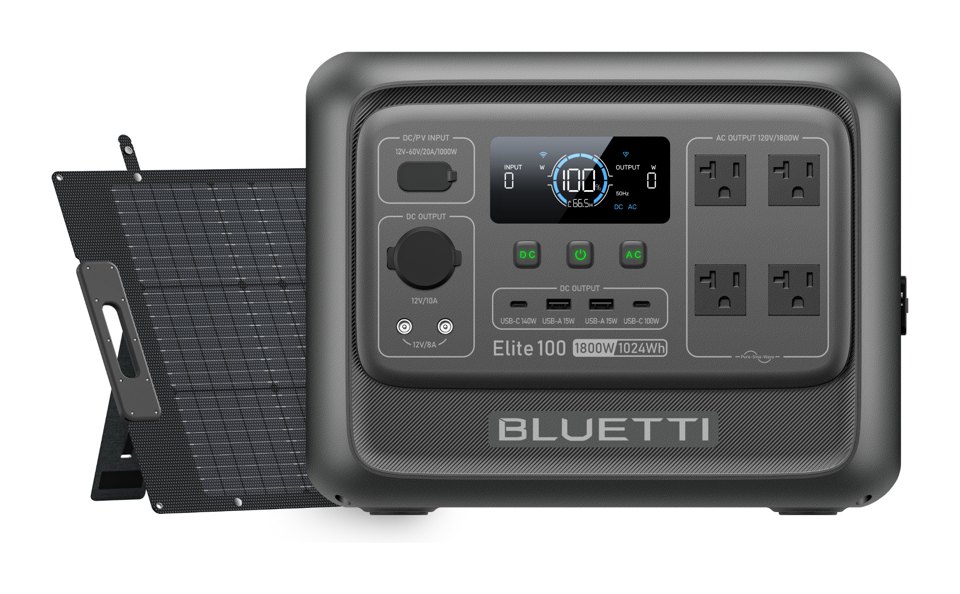
A 1,024Wh LiFePO4 power station with 1,800W rated AC output, sold as a kit with a 200W solar panel (the listing says the panel ships separately).
Check what the kit includes and which appliances fit within 1,800W before buying.
View on Amazon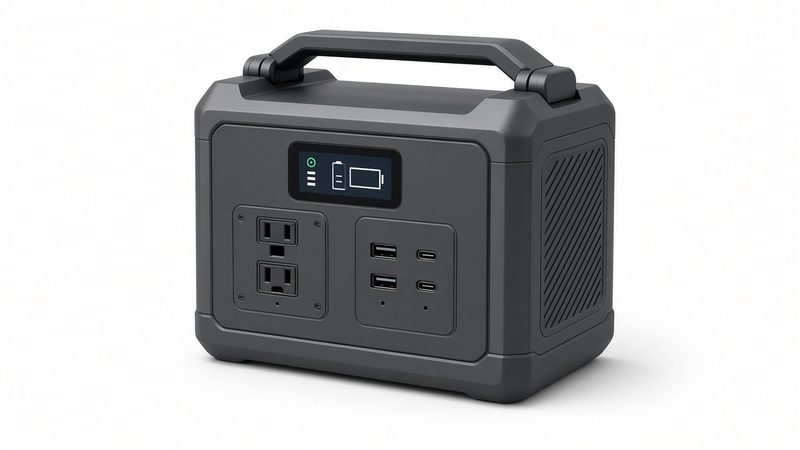 #13
Power station
A 292Wh portable power station with 300W rated AC output (600W surge), 2 AC outlets, a USB-C PD port, and a weight of about 7.5 lb.
Best for phones, laptops, lights and small devices. Check device wattage first.
View on Amazon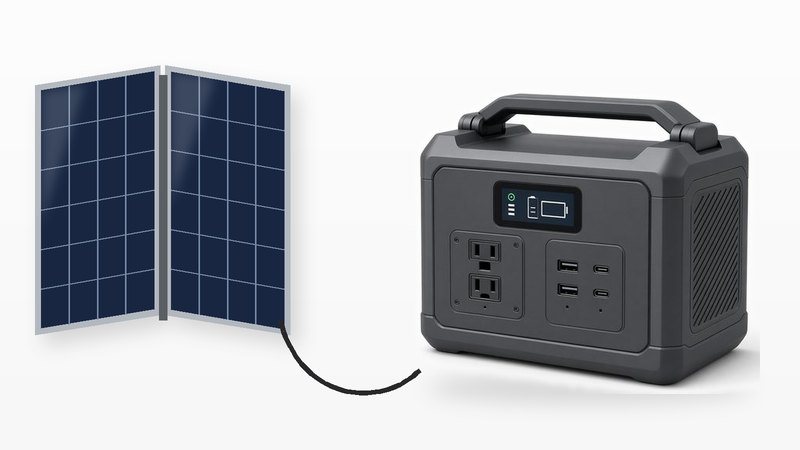 #14
Power station + solar panel
A 192Wh LiFePO4 power station with 300W rated AC output (600W surge) and 8 outputs: 2 AC outlets, 60W and 30W USB-C, an 18W USB-A, a 12V car socket and 2 DC ports. It recharges from a wall outlet (about 2 hours), a car socket or the included 30W solar panel, weighs about 5.8 lb and has a built-in LED light with SOS mode.
Best for phones, laptops, lights, a CPAP or Wi-Fi. A small 30W panel recharges slowly, so charge it from the wall before a storm.
View on Amazon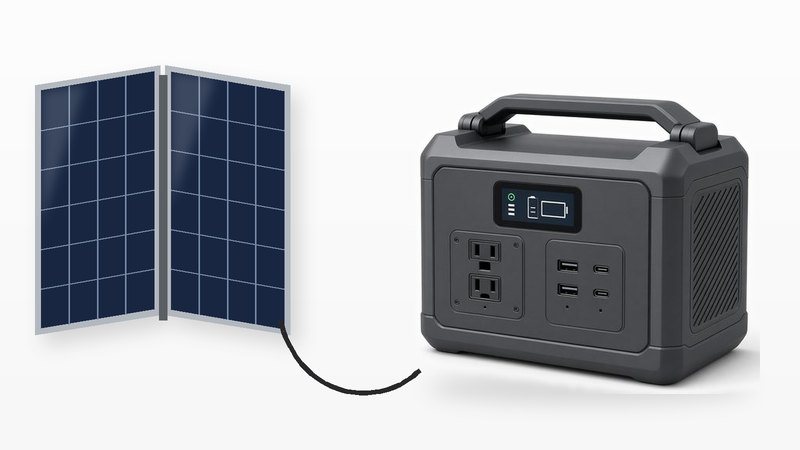 #15
Power station
A 192Wh LiFePO4 power station with 300W rated AC output (600W surge), 2 AC outlets, PD 60W USB-C and a built-in LED light. The listing says about 2-hour wall recharge.
Best for phones, lights and small devices. Charge it from the wall before a storm.
View on AmazonA CO alarm inside, a cover for wet weather and a heavy cord so the generator can sit well away from the house.
 #16
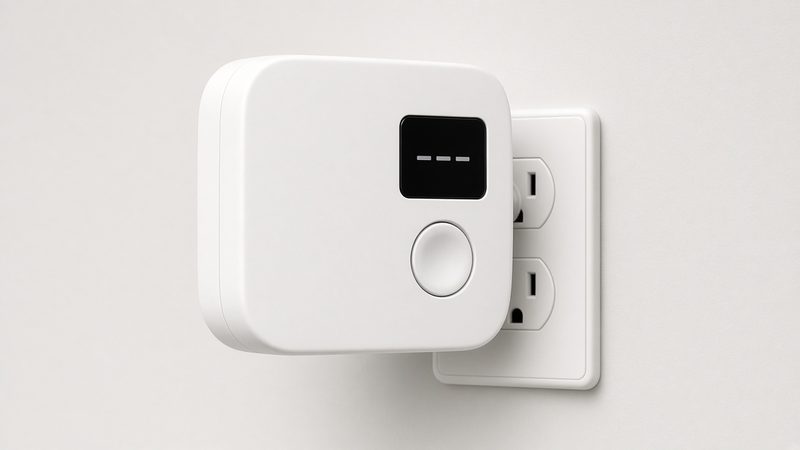
CO & gas alarm
A plug-in alarm that detects carbon monoxide and explosive gas (natural gas, propane, methane), with a 9-volt battery backup for outages, a digital display and an 85-decibel alarm.
Ready.gov advises CO detectors with battery backup on every level of your home.
View on Amazon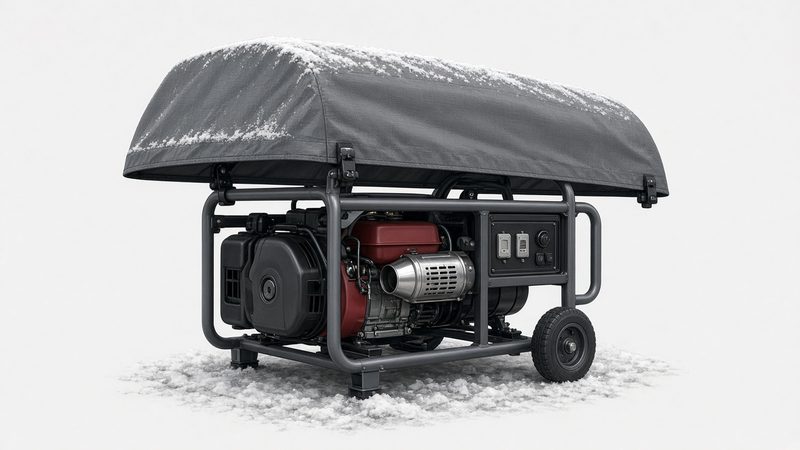 #17
Generator rain & snow cover
A canopy that lets an open-frame portable generator run in rain, snow, ice, sleet and wind while keeping airflow and exhaust clearance. It fits open frames from 78 to 104 inches around with tool-free clamps.
A cover is not a shelter. Still run the generator outdoors, at least 20 feet from windows, doors and attached garages.
View on Amazon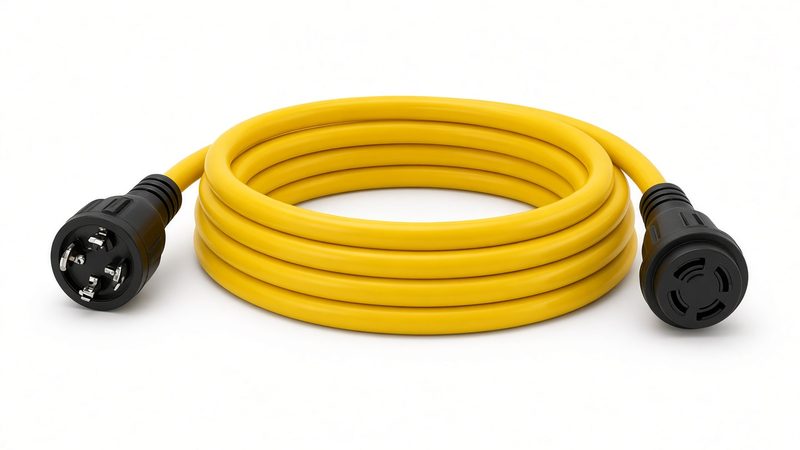 #18
Generator cord
A 25-foot, 10-gauge, 30-amp, 250-volt cord (L14-30P to L14-30R) that runs from a generator's locking outlet to a manual transfer switch. The listing says the jacket stays flexible in extreme temperatures.
Your generator needs an L14-30 locking outlet to use this cord. Check before you buy.
View on Amazon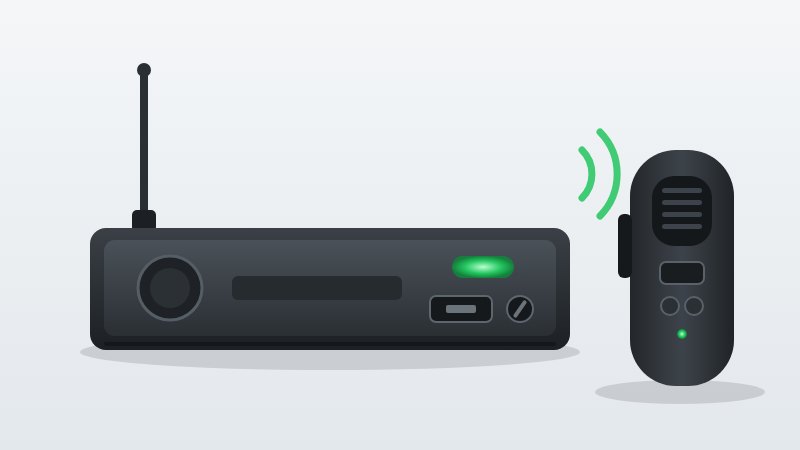
Featured: Picked by Darin
When a storm knocks out power and cell service drops, you can still reach family, neighbors and the cleanup crew radio to radio, within range. 15 watts (5-watt low setting), IP67 sealed against dust and water, automatic noise canceling, 22 GMRS + 8 repeater channels and 154 privacy codes, PA and intercom, and NOAA weather alerts. The hideaway base unit tucks out of sight and runs off a DC vehicle adapter.
Using GMRS in the US needs an FCC license: no test, $35 for 10 years, and one license covers your immediate family. Anyone outside your family needs their own.
Read our GMRS guide (license, range, uses)
View on Amazon
Crew radios over cell networks
Five push-to-talk radios that talk over 4G LTE or WiFi instead of radio range, so a crew spread across town (or across job sites) can still reach each other. Each one comes with a pre-installed SIM card, GPS and an SOS button, in an IP67 case that floats if it gets dropped in water.
Needs cell or WiFi coverage to work. Check the current price, coverage and platform terms on Amazon before ordering.
View on AmazonLights, radios, water, first aid and food: see the full Storm & Survival Shop.
As an Amazon Associate we earn from qualifying purchases. Prices and stock are set by Amazon and can change. Check the listing before you buy.